Leave Your Message

Blog

Best Solar Spot Lights with Motion Sensor in 2026

Best Solar Spot Lights with Motion Sensor in 2026

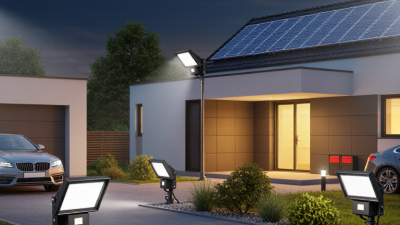
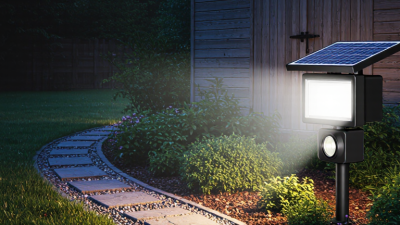
You know how hard it is to see a dark path or that corner of the garden after the sun goes down? A shed door too. That's where a good solar spotlight comes in—it gives you focused light without needing an outlet nearby. The Solar Spot Lights Motion Sensor has a rechargeable battery, a solar panel, and motion-triggered illumination all in one. But honestly, real-world performance isn't just about how bright they claim to be. Honestly, when it comes to getting the most out of your setup, everything plays a part—where you put the panel, how much sun you get each day, your battery size, and even the lighting mode you pick. Alright, so you're shopping for solar spotlights with motion sensors in 2026? This guide is basically your checklist. We'll dig into beam direction, how far the sensor can detect, what you can adjust, weatherproofing, mounting, and charging. But honestly, it's the little things that'll get you. Like, if the solar panel ends up in the shade under a roof, it won't soak up enough sun. And if the sensor points at a sidewalk where people are always walking, it'll be going off nonstop. So read those specs carefully—twice, maybe. And don't take the advertised runtime as gospel; it's more like a rough estimate. Real-world conditions are all over the place. Sure, a super bright beam can be comforting—until it’s blasting glare in your eyes or lighting up the neighbor’s fence instead of your walkway. That’s a trade-off worth thinking about. In the recommendations below, I focused on real-world use, clear specs, and how easy things are to set up, not just the biggest lumen number on the box. Honestly, there’s no one-size-fits-all yard light. The right one depends on how much sun your spot gets, what you’re trying to illuminate, and how often you actually need it after dark. Even the most thorough research has its limits, you know? Real-world results can shift depending on the season or where you're looking.
Read more »
Clara By:Clara - November 10, 2026
China Top 10 Solar Street Light for Home Suppliers

China Top 10 Solar Street Light for Home Suppliers

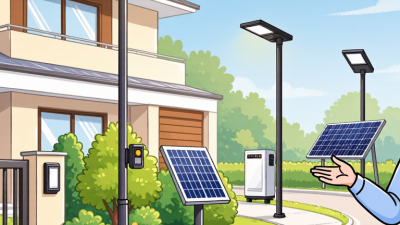
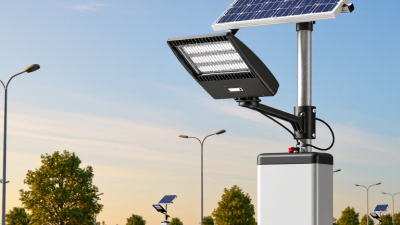
Honestly, choosing a solar street light for your home isn’t about chasing the brightest spec on paper. It’s more about matching the light to the actual space—like, a gate, a garden path, and a driveway all have pretty different needs. And here’s the thing: in China’s supplier market, product pages can all look kinda similar at first glance. But peek a little deeper and you’ll find battery capacity, panel size, sensor settings, warranty terms—they can differ a lot. So yeah, the details really matter. So, about Lin Wei — he’s our example of a solar-lighting specialist, not someone you should treat as a verified source. His editorial rule goes something like: “Judge a home light by how reliably it gets you through the darkest part of the night, not by its peak brightness.” But don’t quote him on that; it’s more of a guiding idea. For the supplier overview, we’ll be looking at practical questions: Does the panel get a few hours of direct sun? And what happens to the lamp after a few cloudy days? That kind of thing. So, will the mounting height actually cover the area you need—without beaming straight into your neighbor's window? That's the kind of thing you've really got to weigh when looking at Home And Lighting Solar Street Light options. Don't just get hooked by a low price or a slick product photo. Honestly, there’s no such thing as a perfect setup. Sure, a bigger battery gives you more backup, but it also pushes the price up. And a small panel? It’ll probably let you down if your spot gets much shade. You can even buy a really well-built light and still hate it just because of where you put it. So when we look at the top 10 solar street light suppliers in China for home use, we’ll keep all these trade-offs front and center. Shortlist with care. Double-check the specs. And keep a little skepticism handy—it’ll save you headaches.
Read more »
Caleb By:Caleb - November 7, 2026
China Top 10 Manufacturers of Large Solar Flood Lights?

China Top 10 Manufacturers of Large Solar Flood Lights?

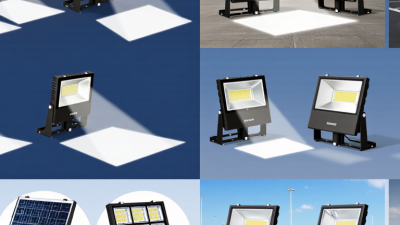
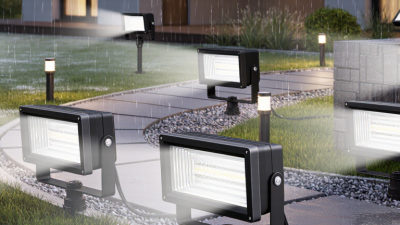
Picking a supplier among China's top manufacturers of large solar flood lights? Honestly, wattage claims are only where you start. You want to look at the battery capacity, how much the solar panel actually puts out, LED performance, ingress protection—or at least the IP rating—and whether that runtime number holds up in the real world. I've come across fixtures that look like beasts in the photos but throw patchy, uneven light across a loading yard once you install them. So yeah, the little details end up being the big deal. You know that famous quote often attributed to Thomas Edison? Something like, “I’d put my money on the sun and solar energy. What a source of power!” It sounds great, and it captures the promise of solar energy. But honestly, it's not exactly a spec sheet for modern floodlights. So when you're actually buying one, don't just go by the hype. Ask for test reports, check warranty terms, find out about replacement parts, and get a straight answer about how runtime changes on cloudy days. Also, make sure they clarify whether the performance numbers are for full brightness or some dimmed mode. I’ve rounded up ten Chinese manufacturers here, and honestly, this isn’t meant to be the final word—just a practical place to start if you’re trying to compare what’s out there. I looked at things like product range, technical docs, how much customization they offer, and what kind of evidence you can actually find as a buyer. Here’s the thing though: a flashy catalog or a nice factory location doesn’t really prove quality on its own. And just because a spec sheet says a light works in one setting, that doesn’t mean it’ll work everywhere. Some stuff is genuinely hard to verify unless you pay for independent testing, and that’s worth keeping in mind before you commit. Okay, so start with your shortlist and use it to come up with some questions. Then, before you order anything, go straight to each supplier and double-check their claims. Take your time comparing—honestly, that’s where you’ll see which Large Solar Flood Lights actually fit a pathway, parking lot, or worksite, and which ones are just hype.
Read more »
Clara By:Clara - November 2, 2026
Top Solar Street Light Suppliers Near Me

Top Solar Street Light Suppliers Near Me

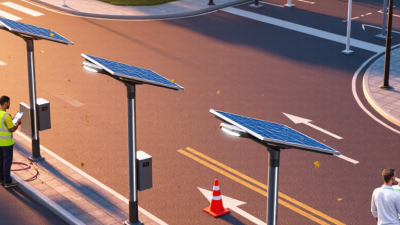
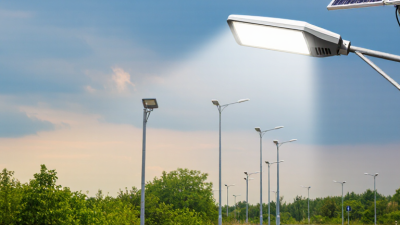
When you're hunting for a 'solar street light near me,' it's easy to just pick the first place that pops up. But honestly, it's about way more than just being close by. The right supplier? They need to get your local conditions – like how much rain you get, how busy your roads are, how far apart the poles are, and how much sun you actually see. Jordan Lee, a solar lighting consultant, puts it about as plainly as you can get: “A good system starts with the site, not the product catalogue.” That really matters because, I mean, a shaded lane isn't the same as an open parking lot—you need a completely different setup. So when you're talking to suppliers, don't let them just throw a wattage at you. Ask them to walk you through their reasoning, the assumptions they're making, and why that makes sense for your specific spot. You'll want to start with a site assessment – don't skip that. Also, make sure you get clear specs for the batteries and panels, and get everything in writing – warranty terms included. Then ask how they handle a few cloudy days in a row – you know, does the light still hold up? And is there any maintenance support nearby? That's a big one. Finally, compare the light output they promise with what the area actually needs. Just because a fixture looks impressive doesn't mean it won't leave dark spots between poles – I've seen that happen. It's always a good idea to ask for references from similar installations, you know, just to see how things went. And when you talk to the supplier, make sure they can walk you through the installation, controls, and replacement parts without getting too technical—plain English, really. Honestly, if they start making vague promises, that's a red flag. You want clear answers, not just a sales pitch. You know, a good supplier really shouldn't mind a few pointed questions—honestly, they should welcome them. So, don't be shy: bring along some photos, a rough sketch of your site, and any details about the existing poles. That way, when you're comparing proposals, you can lay them side by side and actually see what's different. But here's the thing that's super easy to overlook—battery life isn't just a fixed number. It totally depends on how the system is designed and how it's actually used, so make sure to ask how they came up with that estimate. Sure, digging into the details takes a bit of time, but it's worth it. It'll also show you whether they're really listening to you or just trying to sell you a one-size-fits-all package. And remember, finding a company locally is a good starting point, but it's not a guarantee they're any good. So, always double-check the specifics before you commit.
Read more »
Ethan By:Ethan - October 29, 2026
What Is the Best Solar Street Light Near Me?

What Is the Best Solar Street Light Near Me?

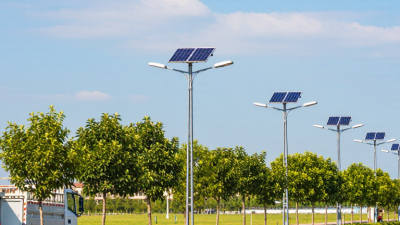
So, you're looking for the best solar street light near you, right? Honestly, it's not just about how bright it is or what the ratings say online. You've gotta think about things like how much sun your area actually gets, how wide the road is, how tall the pole's going to be, what the traffic's like, and whether you can easily get to it for repairs. I've talked to installers who've been out in the field, and they always spot the same simple issues first—like panels stuck in the shade, battery cabinets that aren't closed properly, and lenses caked with dust after a few weeks. You know, the product that really wins in the long run isn't the one with the flashiest wattage on the box—it's the one that just keeps working reliably once you've got it installed. You know, the industry data is pretty clear that solar is doing great, but you've got to be careful when you're looking into it. For example, the International Energy Agency said that in 2023, solar power made up about three-quarters of all new renewable capacity globally. That's huge. And then IRENA's 2024 statistics also show that solar just keeps expanding everywhere. So yeah, these numbers definitely show that people are getting more confident in solar tech. But that doesn't mean every single product – like, say, a 'Solar Street Light Near Me' – is going to work perfectly. It's just not a guarantee. So before you jump in, you need to do your homework. And on top of that, the U.S.... Here's the thing about lighting – the Department of Energy actually recommends you pay attention to how the light is distributed, the controls you're using, how it's operating, and its lifecycle performance. And look, battery chemistry matters a lot too, especially if you're dealing with long, freezing winters or scorching summers. You really can't skip the local evidence—it's the backbone of this whole thing. So, don't just take their word for it; ask for an independent photometric report, check the IP rating, ask about battery cycle data, and get the warranty in writing. Also, see if they've actually done similar projects—roads, parks, or residential spots—and if you can, go visit one after it rains. That's when the little details start to show, you know? But honestly, no checklist is foolproof. Soil conditions, theft risk, even trees growing unexpectedly—stuff can shift the outcome no matter how careful you are. Honestly, when you're hunting for a solar street light near me, you’ve gotta look past just how blindingly bright it is. You wanna compare the real light output, what it’ll actually cost you over the years, and whether the company actually picks up the phone when something breaks. 'Cause trust me—the one that looks brightest in the brochure? That doesn’t always mean it’s the safest or the easiest on your wallet.
Read more »
Clara By:Clara - October 26, 2026
2026 Best Solar LED Flood Lights Buying Guide?

2026 Best Solar LED Flood Lights Buying Guide?

Picking the right Solar LED Flood Lights in 2026? Well, it's not just about price tags or how many lumens the box claims. How well outdoor lights actually work comes down to a bunch of things—sunlight, battery size, mounting height, weather, and how many hours you need them to run each night. Honestly, a light tucked under a shaded balcony can behave completely differently from one set up next to an open driveway. So this guide digs into the practical stuff—with an expert, evidence-based eye. We’ll compare panel efficiency, battery chemistry, motion sensors, beam angles, color temperature, and IP ratings. And yeah, we’ll also look at how long charging takes when the weather’s cloudy. Don’t just get fooled by flashy packaging. When you're shopping for something reliable, it should give you clear specs, runtime claims that actually hold up, warranty details, and safety documentation people recognize. And don't just trust the pretty product photos—independent testing, manufacturer records, and feedback from installers can uncover weak spots that pictures won't show. Take a light advertised as 2,000 lumens, for instance. After a few hours, it might put out way less usable light than you'd expect. Or a narrow beam could end up leaving dark spots around your garage or along a path. Honestly, experience really counts here. When you actually install something, it tends to expose problems that lab numbers just don't catch. And sure, an early comparison might look convincing at first—but once winter rolls around, that conclusion can flip. That uncertainty? Yeah, it's worth paying attention to. So this 2026 buying guide is here to help homeowners, contractors, and property managers pick lighting that's efficient and built to last—for gardens, driveways, farms, and commercial entrances. It doesn't pretend every model works great everywhere. Instead, it links the technical stuff to what's actually happening on site, what kind of upkeep you'll need, and the value you get over time. You'll learn how to push back on marketing hype, check the specs that really matter, and choose a solar floodlight you can rely on with a lot more confidence.
Read more »
Ethan By:Ethan - October 21, 2026
2026 Best Solar Yard Flood Lights for Global Buyers

2026 Best Solar Yard Flood Lights for Global Buyers

For global buyers, picking the right Solar Yard Flood Lights isn't just about comparing brightness or price. Where they'll actually go matters a lot. A damp coastal garden can be rough on seals, while a freezing northern yard can hurt battery performance. And a large property? It may need wider beam coverage, sturdier mounting hardware, and longer overnight runtime. Maya Chen, a renewable-lighting engineer and product consultant at BrightPath Energy, puts it well: “Reliable solar lighting begins with the site, not the sales label.” That's worth remembering. A high lumen figure doesn't mean much if the panel gets weak sunlight or the battery ages fast. This guide looks at the practical details 2026 buyers should check—solar panel efficiency, battery chemistry, motion sensors, IP ratings, charging time, operating modes, and warranty support. It also covers installation height, seasonal weather, shipping conditions, and replacement-part availability. No ranking is perfect, of course. Product performance can shift from one climate to another. Some manufacturers also report lab results instead of typical outdoor results. That deserves attention. Before ordering, buyers should look into independent testing, user feedback, and clear technical specs. A reliable model should light up paths, driveways, patios, and garden edges without harsh glare or frequent maintenance. The best choice isn't always the brightest model. Sometimes a moderate output with dependable dusk-to-dawn performance serves a property better. This review compares leading options for homeowners, contractors, importers, and distributors who want durable Solar Yard Flood Lights for different markets. Expect useful comparisons—just keep your own site conditions in view. Real yards are rarely ideal.
Read more »
Ethan By:Ethan - October 16, 2026
2026 Top 400 Watt Solar Street Light Buying Guide

2026 Top 400 Watt Solar Street Light Buying Guide

So, choosing a 400 Watt Solar Street Light in 2026? It takes a lot more than just checking the wattage on the label. The real-world performance comes down to LED efficiency, battery capacity, solar panel output, mounting height, weather exposure, and lighting controls. And here’s the catch: a super bright fixture can still die before dawn if its battery is too small. That mistake? Still way too common. For this guide, we talked with Michael G. C. M. Brown, a solar-lighting engineer and technical advisor at Solar Lighting International. As he puts it, “A reliable solar street light must be designed as one complete energy system, not as separate parts.” That idea runs through every recommendation here. It pushes buyers to look at the whole setup—illumination distribution, battery chemistry, charging time, controller quality, and how easy it is to do maintenance. A 400 Watt Solar Street Light can be a good fit for highways, industrial yards, parking areas, and wide public roads. But the label doesn’t promise 400 watts of continuous power. Some makers mean peak LED capacity; others are talking about an equivalent brightness rating. So ask for test reports, photometric files, warranty terms, and actual nighttime operating data. Small stuff matters, too. Look for a durable aluminum housing, sealed connectors, adjustable panels, and smart dimming. Check whether the battery stays protected through several cloudy days. And don’t forget to ask about replacement costs. A cheap purchase price can get expensive fast after a few battery failures. This guide compares practical specs, not just flashy claims. It also admits an uncomfortable truth: no single model works for every location. Shade, dust, latitude, traffic patterns, and seasonal weather all change the outcome. Careful design still beats fancy packaging—every time.
Read more »
Caleb By:Caleb - October 12, 2026
How to Choose a 300W Solar Street Light?

How to Choose a 300W Solar Street Light?

Picking a 300w Solar Street Light isn’t just about wattage and price. A lamp can look super bright on paper and still let you down on a dark, rainy road. Dr. Alan Pears, who specializes in solar lighting, has a rule I really like: “Efficiency matters more than impressive numbers.” That’s pretty much the idea behind this article. A 300w Solar Street Light should fit the road width, pole height, traffic, and local weather. A narrow village lane isn’t going to need the same lighting as a four-lane highway. Bigger isn’t always better. So start with what you actually need to light up. Look at lumen output, beam angle, mounting height, and pole spacing. Then check the solar panel and battery. A reliable setup should get you through several cloudy nights—not just one sunny evening. Lithium iron phosphate batteries tend to give stable cycling and a longer service life. And MPPT charging can help pull in more energy when sunlight is weak. Don’t skip the protection ratings. IP65 or higher helps keep rain and dust out. IK ratings matter if accidental impact is a real possibility. The controller should have dusk-to-dawn operation, dimming, and battery protection. Also ask about operating temperature, spare parts, warranty terms, and field testing. And honestly? Don’t trust the label alone. A 300w Solar Street Light may use less power than its name suggests, depending on how it’s designed. That gets confusing, and it’s easy to end up comparing products that aren’t really equal. I’d also be skeptical of overly optimistic battery claims. Real roads have shade, dust, storms, and damaged panels. A careful buyer plans for those imperfections before installation—not after something fails.
Read more »
Clara By:Clara - October 7, 2026
10 Tips to Choose the Best Solar Flood Light 200W

10 Tips to Choose the Best Solar Flood Light 200W

Picking out the right 200W solar flood light is a lot more than just comparing the brightness numbers on a product page. A really good, powerful light needs to perform reliably through cloudy afternoons, harsh winter temps, and all kinds of outdoor weather. In this guide — '10 Tips for Choosing the Best 200W Solar Flood Light' — I’ll walk you through the details that actually matter in the long run. First off, don’t get swayed by fancy wording or big claims. Always double-check the specs—look at the actual lumen output, the size of the solar panel, battery capacity, how long it takes to charge, and how long it will run once full. A solid 200W solar flood light should be able to light up your driveway, garden, warehouse entrance, or security zone without leaving dark spots. Also, pay attention to things like the IP rating (meaning waterproof or weather-resistant), sturdy aluminum housing, reliable mounting brackets, and a battery built to handle outdoor cycles. Adding motion sensors? Great for saving energy, but keep in mind they might not detect movement as well in rain or if there’s dense greenery around. And yes, tiny details really do count here. Looking for independent testing results, clear warranty info, and quick, helpful customer support can tell you a lot about whether a company genuinely stands behind what they sell. Certification stamps can also help, but make sure to verify what they actually mean—that the certifications are legit and relevant. Factors like how high you install the light, which way you point the panel, the season’s sunlight hours, and if there are big shadows nearby will all impact how well the light actually works. A model rated for long hours of operation might still disappoint if, say, the panel faces north or is tucked under a tree canopy. Honestly, no one’s perfect. I’ve seen super bright units that drained their batteries quickly because they were undersized, while some cheaper models kept going longer thanks to better weatherproofing. Use these ten tips as a checklist when you’re shopping around, and then compare what you find with your actual site conditions. It might not be as exciting as clicking ‘buy now’ based on a slick headline, but honestly, it’s way more reliable in the long run.
Read more »
Caleb By:Caleb - October 2, 2026
10 Solar Street Light Battery Tips for Global Buyers

10 Solar Street Light Battery Tips for Global Buyers

A solar street light battery can really make a difference in whether your street stays lit after cloudy days, heavy rain, or those long winter nights. But for folks shopping from around the world, just picking a bigger capacity isn’t enough—it’s not the whole story. Things like battery chemistry, operating temperature, charge control, how well the enclosure is protected, and how easy it is to replace the battery all play a huge role in how well the system actually performs in the real world. Little details matter—a shaded panel or a poorly sealed battery box might seem minor but can really mess things up if you're not careful. According to IRENA’s 2023 report on renewable power costs, the price for utility-scale battery storage has dropped by about 89% since 2010. That’s pretty incredible progress! But, keep in mind, that kind of price drop doesn’t really tell you much about what a small street-light battery will cost or how long it’ll last. Different scales, different uses, ya know? As IEA’s Fatih Birol put it, “The Age of Electricity is upon us.” When it comes to street lighting, that shift means dependable energy storage isn’t just a feature anymore—it's a real design consideration. This little guide I’ve put together covers ten key checks you should do when comparing batteries, suppliers, and warranties. If you’re looking at systems sold as Solar Street Light With Pole And Battery, things can get tricky because matching components isn’t always straightforward. Make sure to ask about test conditions, usable capacity, cycle life assumptions, and temperature limits—not just how long the light claims to run on a full charge. A spec sheet can seem super reassuring, but it might not tell you everything important. Use these tips to weigh the trade-offs carefully, and always double-check the current product documentation before hitting that 'order' button. Better safe than sorry, right?
Read more »
Ethan By:Ethan - September 29, 2026
China Top 10 Outdoor Solar Floodlights Manufacturers?

China Top 10 Outdoor Solar Floodlights Manufacturers?

China has really stepped up as a major hub for outdoor solar floodlights, thanks to its strong supply chains for photovoltaic parts and huge-scale LED manufacturing. I mean, according to the International Energy Agency, global solar PV capacity jumped to nearly 420 gigawatts in 2023—that’s a huge growth! This boom is also fueling the demand for reliable outdoor lighting in all kinds of places—farms, warehouses, streets, gardens, you name it, even construction sites. In this guide, we’re taking a closer look at ten Chinese manufacturers, including brands like Sresky, Anern, JOLYWOOD, Leadsun, DEL Illumination, and others. We picked them based on a bunch of factors—product design, battery tech, light performance, factory capacity, export experience, and how solid their after-sales support is. And yeah, certifications really matter here, too. A serious supplier should be upfront and provide clear data on lumen output, battery size, charging time, ingress protection ratings, and operating temperatures. But let’s be honest—real-world performance? That’s a whole different story. According to Grand View Research, factors like energy efficiency, dropping costs of solar components, and smart controls are what drive the market. Still, what you see in a catalog often doesn’t match up with what you get in the field. Weather conditions—cloudy days, winter cold, dust, poor installation angles—those can all cut down how long lights run at night. That’s why transparency from suppliers? Super important. Organizations like the World Bank and Lighting Global also stress the need for quality assurance in off-grid solar products. Their research points to the importance of verified testing, clear warranty info, and real-world performance data. So, this list isn’t just about who’s got the biggest factory or the most online buzz. It’s also about manufacturing experience and solid technical evidence. And hey, no list is perfect. Some companies are more open than others. Before you go big with an order, make sure to ask for samples, testing reports, and references for installation. It’s all about doing your homework and making an informed choice.
Read more »
Clara By:Clara - September 24, 2026
China Top 10 Solar Street Light Manufacturers?

China Top 10 Solar Street Light Manufacturers?

You know, solar street light tech is really stepping up from those small pilot projects into more mainstream setups—things you'd actually see in public spaces or for businesses. The International Energy Agency’s Renewables 2024 report predicts that by 2030, renewable energy capacity will grow by almost 5,500 gigawatts, with most of that coming from solar photovoltaic systems. This trend means there's a bigger push for standalone street lighting, especially in areas where extending the grid is either too expensive or just plain unreliable. But, here's the thing—just generating solar power doesn't automatically mean a road lighting project is gonna be super dependable. In this guide, I’ve looked at ten well-known manufacturers—things like Signify, Acuity Brands, Fonroche Lighting, Sunna Design, Leadsun, Sresky, EXC Lighting, Greenshine New Energy, EnGoPlanet, and Solar Street Lights USA. I chose them based on their experience, battery design, how efficient their solar panels are, controls they use for lighting, certifications, warranties, and how good they are with after-sales support. Plus, organizations like the World Bank and Lighting Global really stress that these products should be durable, honest about their performance, and tested in real-world situations. Because, let’s be honest, when you’re out on a dark road, a weak battery can mean several lamps go out before dawn—not ideal. Some rankings in the market still aren’t quite consistent. Many reports lump together different kinds of products—like municipal lamps, garden lights, or commercial systems—which can really skew the comparisons. So, think of this list more as a handy guide rather than the be-all-end-all. If you're browsing, you'll probably use search terms like All In One Solar Street Light.... Sure, the wording isn’t perfect—but it reflects real buying behavior. Still, if you're serious about picking the right product, make sure to double-check things like illumination levels, the type of battery chemistry they use, resistance to salt spray, operating temperature ranges, and support for replacements—better to be safe than sorry when choosing your supplier.
Read more »
Ethan By:Ethan - September 20, 2026
How to Choose the Best Outdoor Solar Street Light?

How to Choose the Best Outdoor Solar Street Light?

Picking out the best outdoor solar street light isn’t just a matter of looking at wattage and price. Honestly, its real performance depends on a bunch of factors like sunlight exposure, how the road is used, the height of the mounting, and the weather conditions in your area. For example, a light that works perfectly in a dry parking lot might have a tough time on a dusty highway. So, where you place it really matters. First off, check out the quality of the solar panel, the battery size, how efficient the LEDs are, and how the light disperses. Monocrystalline panels are pretty solid for limited space, giving consistent charging. Lithium batteries can handle night-time use pretty reliably—if they’re managed properly. Be on the lookout for clear info on lumens, the beam angle, how long it can run, and how long the battery lasts. An IP65 rating or higher is good for protecting against rain and dust, but don’t just rely on the rating alone. Dig into test reports, ask for product samples, and read the warranty details. Also, see if the supplier has completed similar outdoor projects before—that’s a good indicator. If you’re searching online, you might come across phrases like All In One Solar Street Light or similar terms. Keep in mind, these are pretty broad and might describe different styles—not necessarily the same product. An experienced installer will look at shadow patterns, how far apart poles are, traffic levels, and even seasonal sunlight changes. Adding motion sensors can save energy, but be careful—sometimes they cause the lights to flicker or go dark during busy times, which isn’t ideal. It’s a trade-off worth testing out thoroughly. You should remember, no fixture is perfect. A system might perform well on paper but fall short if trees block the panels or if batteries age faster than expected. So, making your choice based on actual data, field experience, and transparent support will help you end up with a more reliable and safer lighting setup. It’s all about balancing the technical info with real-world conditions—trust me, that makes all the difference.
Read more »
Clara By:Clara - September 15, 2026