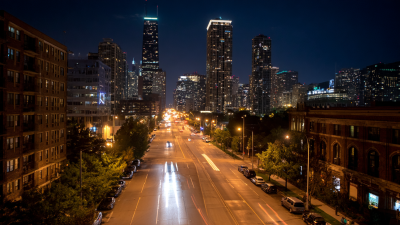
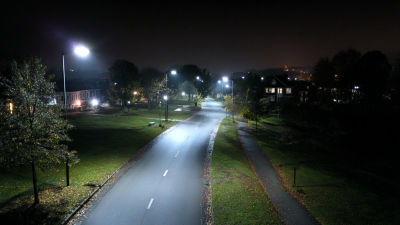
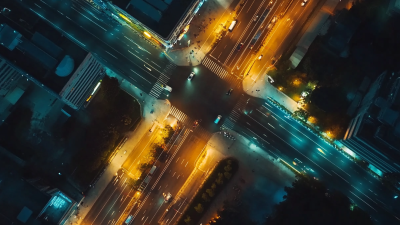
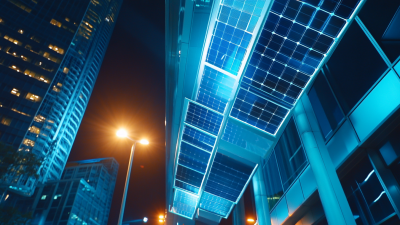
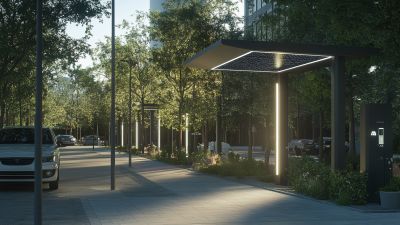
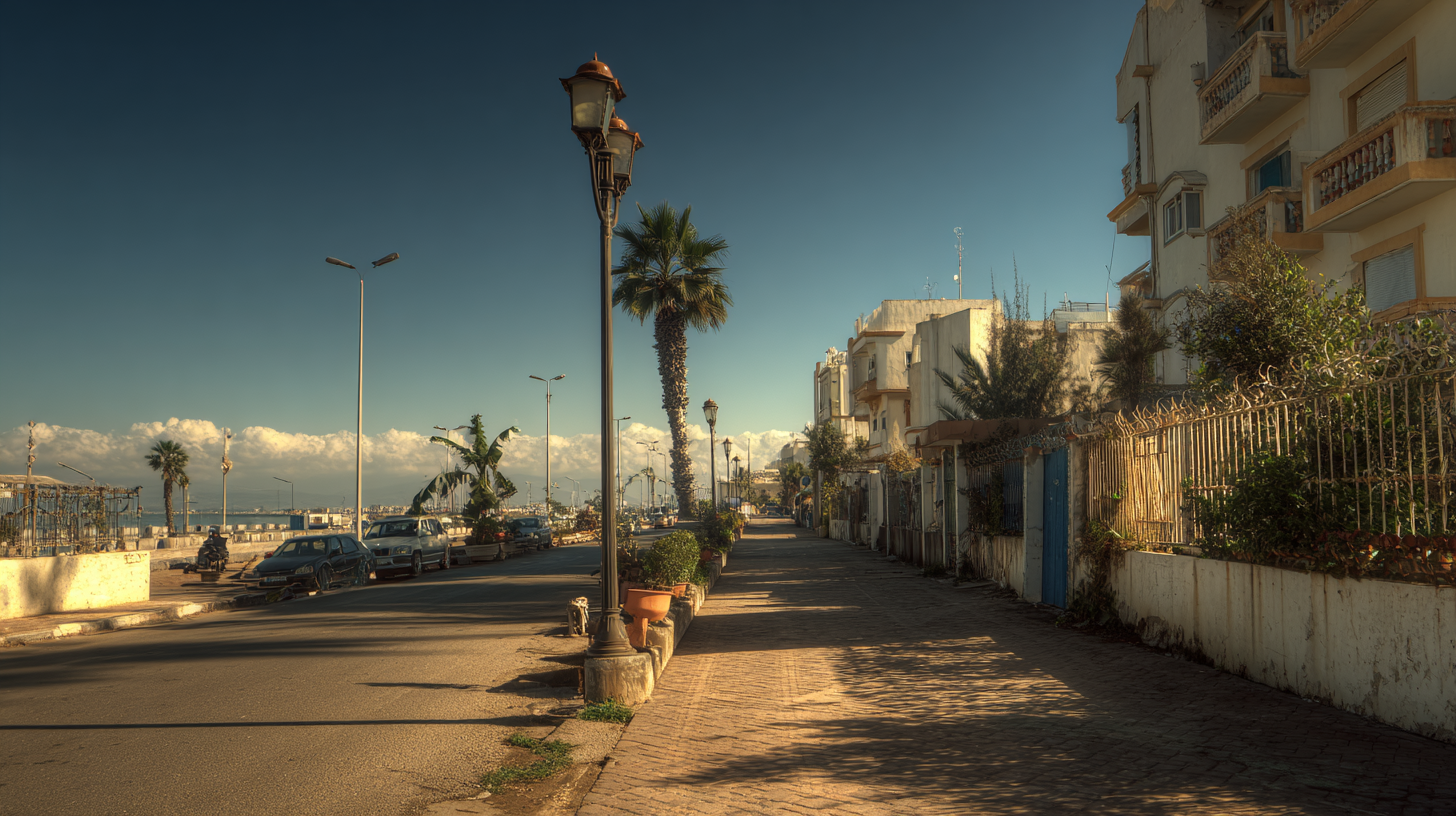
When you're thinking about sprucing up urban spaces, good lighting really makes all the difference. One popular and reliable choice is the 300W Solar Street Light. At Zhongshan ShiJi Juxing Optoelectronics Technology Co., Ltd., we’re all about urban lighting—helping you plan and design solutions that don’t just brighten things up but also add some style to public areas. Picking the right 300W Solar Street Light isn’t just about grabbing the first one you see; you’ve gotta consider stuff like energy efficiency, where you’re gonna put it, and how it’ll fit with the overall look. Don’t worry, though—we’ve got your back. In this guide, we’ll walk you through the key things to think about so your choice hits all the right notes—functionality AND personality. Whether you’re updating an existing setup or starting fresh with a new installation, our expertise will help you navigate all those options, so you can create a lively, welcoming vibe in your community. Trust us, it’s all about making your space both beautiful and practical!
Understanding the Importance of Lumen Output in Solar Street Lights
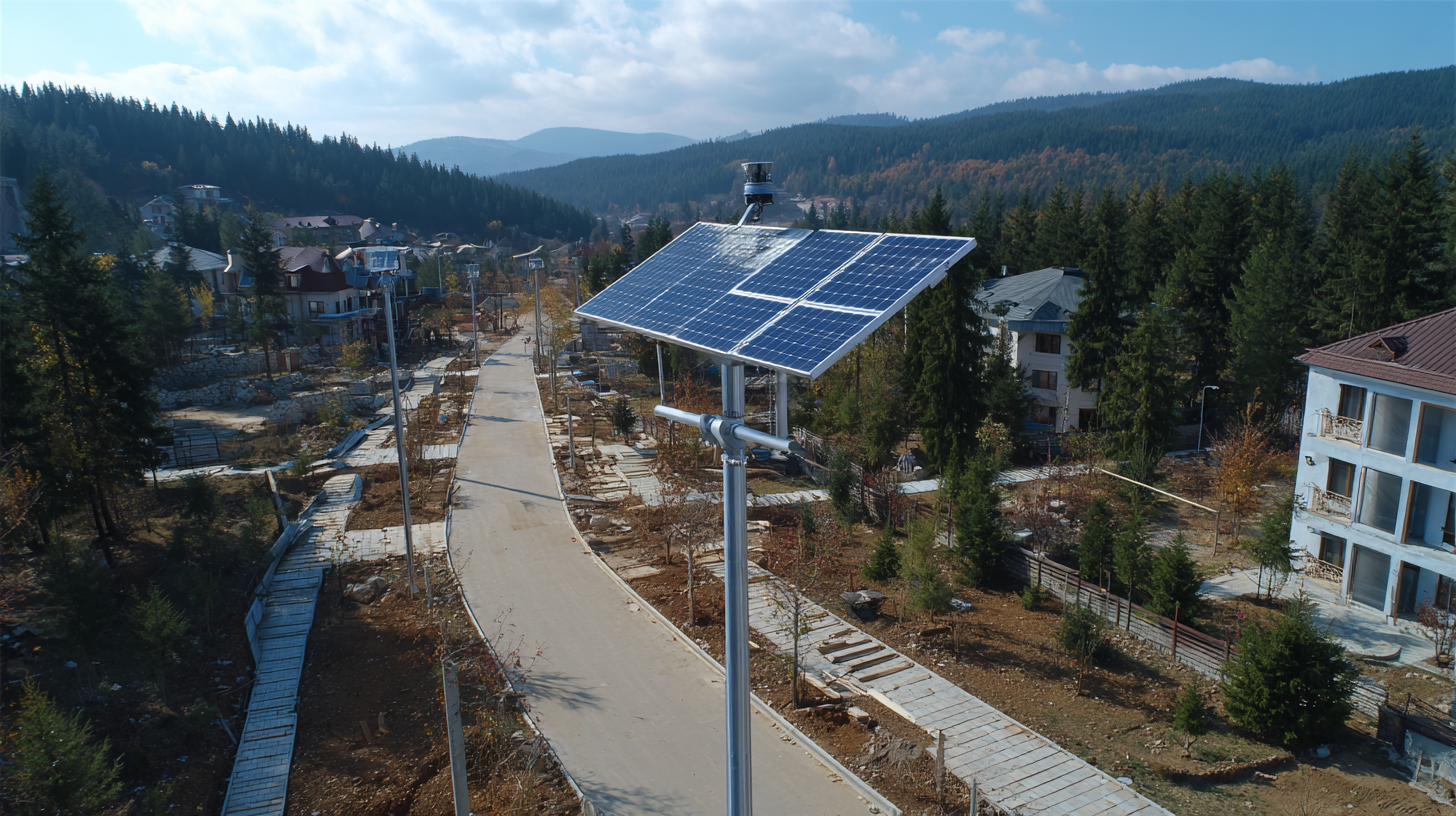
When you're trying to pick out the best 300W solar street light, understanding what lumen output really means is super important. Basically, lumens tell you how much visible light the fixture emits—that's what lights up the area. The Illuminating Engineering Society (IES) suggests that a well-lit street usually needs about 100 to 200 lumens per foot, but of course, it depends on where you are and what you're using the space for. For Solar Street Lighting, aiming for higher lumens helps make sure the area is bright enough for pedestrians’ safety and keeps things secure.
Here's a little tip: when you're looking at different solar street lights, make sure to check out the lumen specs on the label. A decent 300W model should give you somewhere between 30,000 and 40,000 lumens—that’s usually enough to cover larger areas or busy highways. Also, it's worth paying attention to how the light is distributed—go for ones that have a wide beam angle so you don’t end up with dark spots here and there.
Another thing to keep in mind is the quality of those LED chips inside. Some of the more high-end options can actually hit efficiencies over 150 lumens per watt. That means a properly designed 300W setup might crank out up to 45,000 lumens—way better than some lower wattage lights.
Here's a pro tip: always double-check the manufacturer’s lumen claims with independent tests if you can. That way, you know you’re getting a reliable product. Remember, having more lumens doesn’t just boost visibility—it also makes the whole area look nicer and more inviting.
Evaluating the Efficiency of Solar Panels for Optimal Performance
When you're trying to pick out the best 300W solar street light, it’s really important to pay close attention to how efficient the solar panels are — that’s key to getting the most out of your setup. Recent studies actually highlight a bunch of factors like how strong the sun is, the temperature, and humidity, all of which can really impact how well the panels perform. For example, some detailed analyses have shown that the efficiency of these panels tends to go up with more sunlight and wind, but drops when it’s hotter or more humid outside. So, honestly, understanding the local weather—like, what you can expect day-to-day—can totally make a difference in maximizing energy output and ensuring your street lights stay reliable.
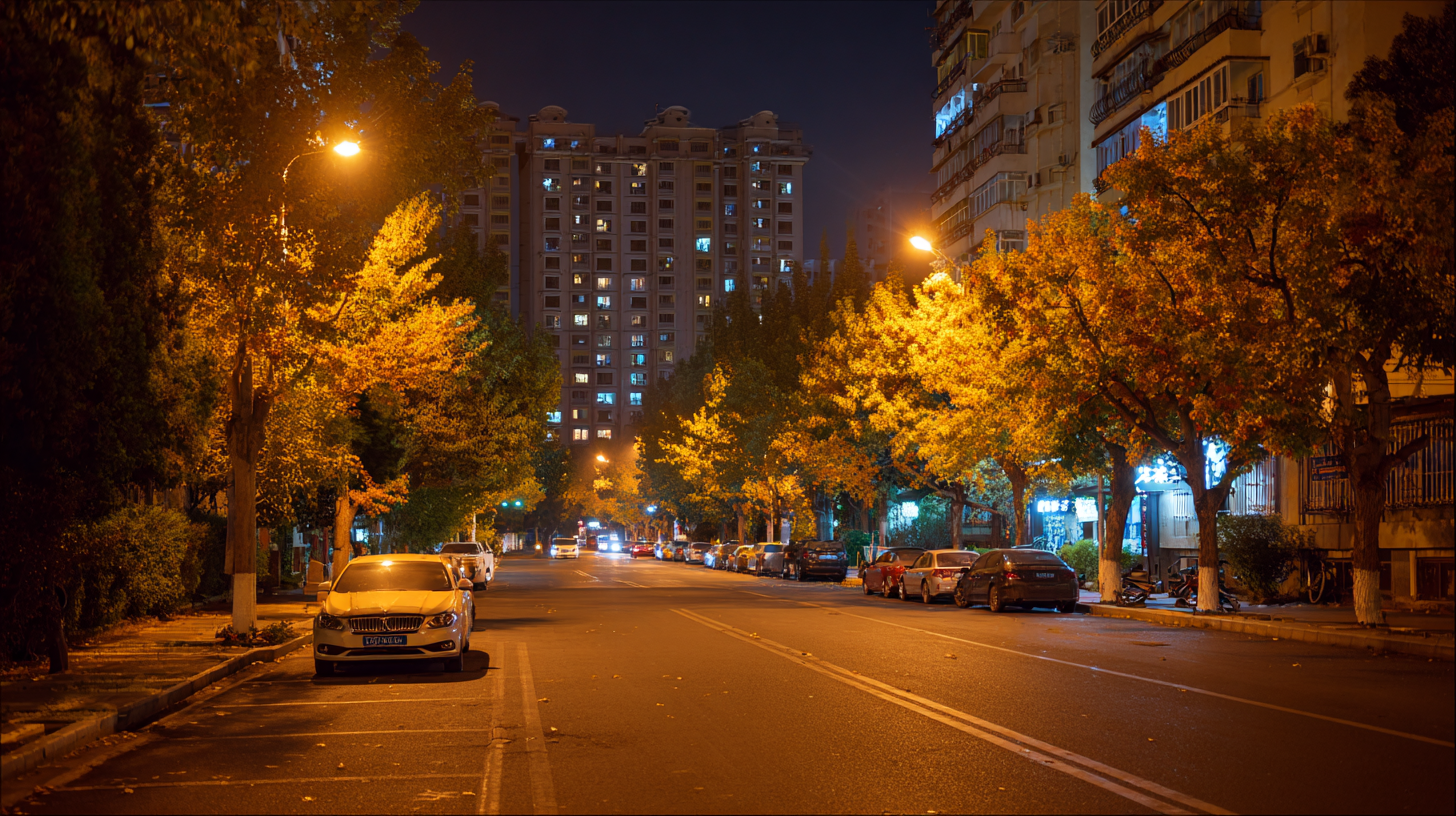
And here’s something pretty cool: using machine learning to monitor how dirt and dust settle on the panels (they call that soiling) can actually help improve how well they work. Even a small amount of dirt — like just 1-5%— can mess with the electrical stuff, like the voltage and current. If we can bring in smart tech to choose the right lights and keep them maintained properly, it’s a game-changer. Overall, picking a solar street light isn’t just about wattage — it’s also about understanding all these environmental factors and what affects the system’s efficiency. When you keep all that in mind, you’re way more likely to end up with a lighting setup that’s both effective and long-lasting.
Determining the Right Battery Capacity for Continuous Illumination
So, when you're picking out a 300W solar street light, one key thing to think about is the battery capacity. It really makes a difference because it directly impacts how well the light will perform at night. According to the Solar Energy Industries Association, having enough battery capacity is super important to keep the light running smoothly and to produce the brightness needed for safety and visibility. As a rule of thumb, it’s a good idea to go for a battery that can store at least 50% more energy than what you’ll need on a typical night—this way, you're covered for those cloudy days and seasonal changes.
Quick tip: When you're checking out different batteries, lean towards lithium-ion batteries instead of lead-acid ones. They tend to have a higher energy density and last way longer, which means they’re more efficient for solar street lights. Plus, they usually cost less to replace over time and are more reliable when it comes to storing energy.
Also, make sure the solar panel size matches the battery capacity. A properly balanced setup should charge well during the day so that the battery's fully topped up by sunset. And if you wanna get fancy, investing in a good battery management system is worth it—it helps prevent overcharging and deep discharging, which are big killers for battery health down the line.
Assessing Durability: Materials and IP Ratings of Solar Street Lights
When you're trying to pick out the best 300W solar street light for your setup, one thing you really can't ignore is durability. The materials used in building these lights make a huge difference in how long they'll last and how well they perform. Things like aluminum and tempered glass are great choices—they stand up better against the roughest weather out there. I remember reading a report from the International Renewable Energy Agency (IRENA) that said lights built with sturdy materials can handle extreme temperatures and heavy winds, sometimes lasting up to 25 years! Pretty impressive, right?
And don’t forget about the IP ratings—these tell you how well the light can handle dust and water. For example, an IP65 rating means it’s completely dust-tight and can handle water jets, so it's perfect for outdoor use. There's even a study in the Journal of Renewable Energy showing that lights with higher IP ratings tend to break down less often and need less maintenance, which definitely saves you some trouble and money over time. So, yeah, picking a solid, weather-resistant solar street light isn’t just smart—it’s kinda essential if you want it to last and stay reliable through all kinds of weather.
How to Select the Best 300W Solar Street Light for Your Needs - Assessing Durability: Materials and IP Ratings of Solar Street Lights
| Model | Material | IP Rating | Battery Type | Warranty Period |
| Model A | Aluminum Alloy | IP65 | Lithium-ion | 5 Years |
| Model B | Plastic | IP67 | Lead Acid | 3 Years |
| Model C | Stainless Steel | IP66 | Lithium Iron Phosphate | 7 Years |
| Model D | Aluminum | IP68 | Lithium-ion | 5 Years |
| Model E | Die-Cast Aluminum | IP65 | Lithium-ion | 6 Years |
Comparing Voltage Options: 12V vs 24V Systems in Solar Lighting
So, when you're picking out a solar street light, one of the big decisions you'll have to make is whether to go with a 12V or a 24V system. This isn’t just about how bright it’ll be — the voltage also impacts how well everything will play together in your solar setup. Usually, if you’re lighting up a small area or don’t need super intense lighting, a 12V system does the trick. It’s lighter, cheaper, and tends to be easier to install, which makes it pretty popular for residential or small business stuff.
But if you're talking about bigger spaces, like parking lots or parks, then a 24V system might be better. It’s more efficient, especially over longer distances, because it doesn’t lose as much energy through the wires. That means brighter lights and longer battery life — win-win, right? Plus, 24V setups usually work with a wider variety of solar panels and batteries, giving you more options if you want to expand or upgrade down the line.
At the end of the day, the choice really depends on what your actual needs are. Think about what’s more important — budget or performance — and choose what fits best. It’s all about finding the right balance for your specific situation.
Analyzing Installation Requirements and Maintenance for Long-Term Use
When you're choosing a 300W solar street light, it’s pretty important to get how to install it and keep it in good shape over time. The way you set it up can really make a difference in how well it works and how long it lasts. Stuff like the ground type, how much sunlight it gets on an average day, and whether there are trees or buildings blocking the sun are all things you should consider. Doing a quick site check helps you position the solar panels just right, so they catch as much sunlight as possible. Some reports even say that proper installation can boost energy efficiency by up to 40%, which means you'll save more money in the long run.
Also, don’t forget about maintenance. Checking and cleaning your solar panels regularly, along with making sure the LEDs are working okay, can prevent common problems that might otherwise mess things up. Keep up with maintenance, and your solar street light could last as long as 25 years, giving you a pretty solid return on your investment.
Quick Tips: Go for trusted brands that offer good after-sales support—it’ll save you a headache later. And if you can, pick models with smart tech built in. That way, you can monitor how everything’s running in real-time and catch any issues before they become big problems.
FAQS
: Lumen output measures the total amount of visible light emitted by a source. It is important in solar street lights because high lumen output ensures adequate illumination for pedestrian safety and enhanced security.
A quality 300W solar street light should produce between 30,000 to 40,000 lumens to effectively illuminate larger areas or highways.
Key factors include lumen output specifications, light distribution pattern (wide beam angle to minimize dark spots), and the efficiency of LED chips used.
Some models claim efficiencies exceeding 150 lumens per watt, potentially allowing a 300W solar street light to provide up to 45,000 lumens.
The battery should be able to store at least 50% more energy than will be consumed in a typical night’s operation to ensure continuous illumination during the night and account for cloudy days.
Lithium-ion batteries are preferred over lead-acid batteries due to their higher energy density, longer life cycle, and efficiency in solar street lighting applications.
The solar panel should be appropriately sized to ensure it charges effectively during daylight, allowing the battery to be fully charged by sunset.
Investing in advanced battery management systems can enhance performance and longevity by protecting against overcharging and deep discharging.
Verifying lumen claims against independent testing standards ensures you invest in a reliable and effective lighting solution that provides adequate illumination.
Higher lumen output improves visibility and enhances the aesthetic appeal of urban environments, contributing to overall safety and security.
Conclusion
When you're on the hunt for the perfect 300W Solar Street Light, there are a few key things you really want to think about to make sure it works well and lasts a long time. First off, understanding the lumen output is super important—it tells you how bright the light will be and if it's enough for your space. Then, you’ll want to check how efficient the solar panels are since they’re the heart of how the light charges up. And don't forget about the battery size; having the right capacity means your lights can stay on through the night without any problem.
But it’s not just about the tech specs—durability matters too. Look into what materials the light is made from and see the IP ratings to know if it can handle weather conditions like rain or wind. Plus, it’s good to weigh your options for voltage—like 12V versus 24V—as they can affect brightness, efficiency, and how tricky it is to install everything. Lastly, think about how easy it will be to install and keep up with maintenance down the line. Keeping these things in mind, you'll be able to pick a 300W Solar Street Light that really fits your needs and keeps shining for years to come.